Headline photo

Headline photo
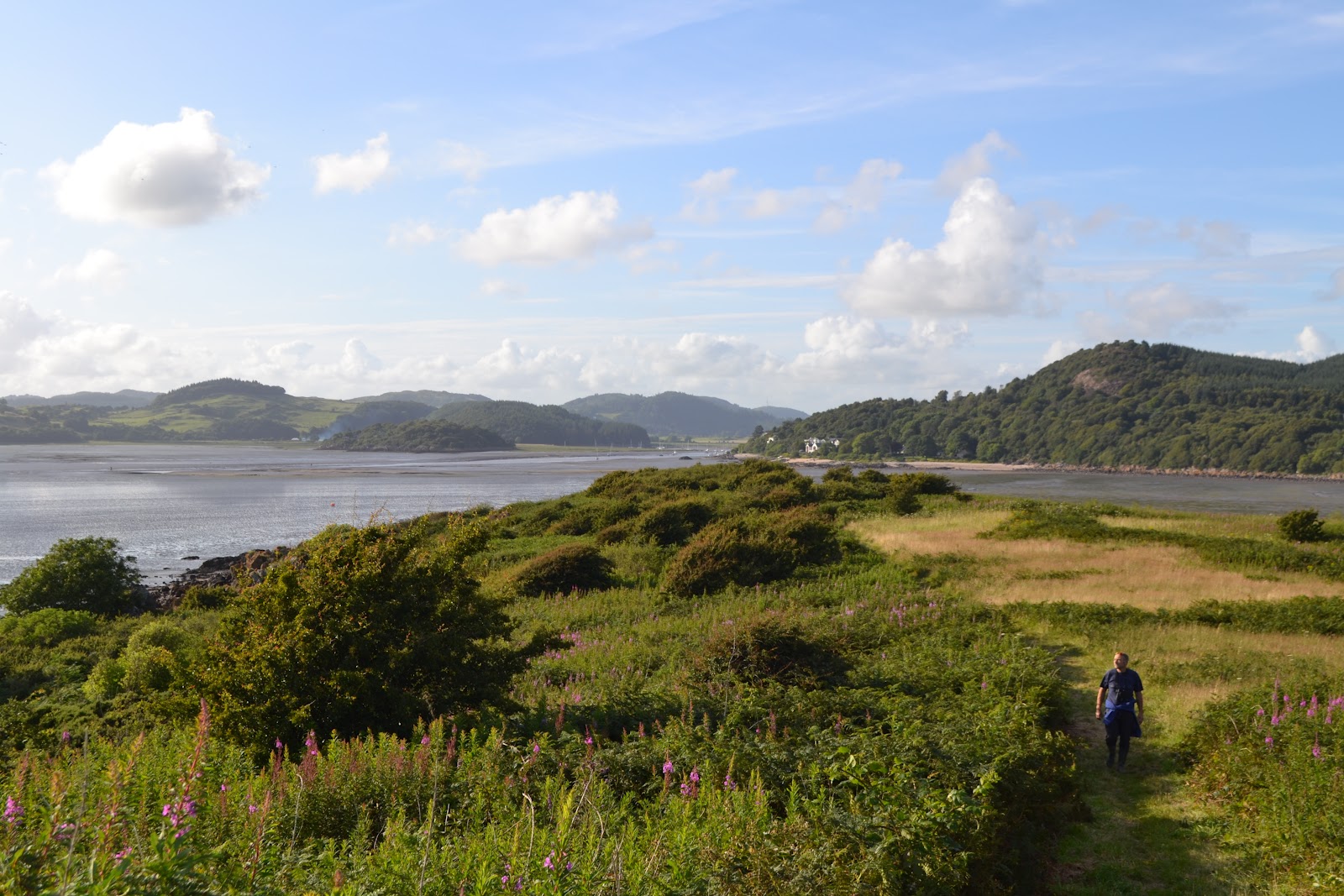
Rockcliffe and Kippford from South Glen Brae: Ed Iglehart [CC-BY-SA-2.0 (www.creativecommons.org/licenses/by-sa/2.0)], via Wikimedia Commons

Introductory text

Kippford and Rockcliffe are on the East Stewartry Coast, an unspoilt National Scenic Area with two other NSAs in close proximity. It is in Dumfries & Galloway, South West Scotland, a region known for it's wonderful scenery, biodiversity, turbulent history, smugglers and black and white 'belted' cattle known as Galloway Belties. This stretch of coastline has many names. Known locally as the Colvend Coast or the 'Secret Coast' (due to the peace and tranquility) it is often referred to as the 'Scottish Riviera' due to it being the holiday resort of choice for Victorian millionaires and having a Gulf Stream influenced microclimate: evidenced by palm trees in some gardens. Castle Douglas, the food town is a short drive away and Kirkcudbright, the Artists Town is over the next headland.


This a scenic and unique part of the world and we started the blog to share the experience of living in this wonderful place. We hope that it will be of interest to others who live here and give those planning to visit the area a taste of all it has to offer.


The blog has a correspondent in both Kippford and Rockcliffe village, you can also follow their Twitter feeds on the right of the page. If you would like to get involved we look forward to hearing from you.

Showing posts with label Bird Life Scotland. Show all posts

Monday, 25 March 2013

Making the most of a snowy weekend

This week-end has been a real treat: Being at sea level we don't usually get much snow along the Colvend Coast and so  we got out there and enjoyed it!

Although areas over higher ground had more, in Kippford, Rockcliffe and Sandyhills we had about 6 inches of lying snow with drifts to around a foot high. On Friday we were snowed in after heavy, constant snowfall throughout the day but, not to be deterred (and having an impatient collie reminding us it was time for 'walkies') we got togged up and walked along a snow covered, almost traffic free A710, then out over the sands at low tide. It was bracing to say the least but very exhilarating. We felt a bit like Scott in the Antarctic as on the return we were walking into biting winds and falling snow but hot chocolate and a good movie curled up on the sofa afterwards made a great reward.

Saturday was overcast and felt very cold due to the strong winds but as the roads had cleared a bit we just wrapped up warm and snug and headed out for RSPB Mersehead.

Due, no doubt, to a desperate search for food we had good views of Snipe, Fieldfare, Redwing, Mistle Thrushes, Blackbirds and of course the geese. This video clip shows a very excited collie on the beach enjoying the expanse of virgin snow. Yes, it was pretty windy but not nearly so bad as the sound on the video clip suggests!


On Sunday things were very different, the roads were clear and we had a bright sunny day so a walk around Rockcliffe was in order. Here are a few of the photos!

Very artistic!
The glorious yellow and coconut/vanilla scent of the Gorse contrasted beautifully with the crisp snow and blue skies and made a memorable sight.

The snow doing it's best to blanket the Gorse blooms

Rockcliffe beach doing a good impersonation of a Christmas card
The dogs had a great time racing around on the beach but poor Hamish (a Sproodle puppy) had problems with snow balling up in his fur so had to be carried home for an early bath!
Looking across to Rough Island with Rascarrel in the background
One of the great things about walking the dogs in the snow is that instead of having to wash off mussy paws or brush sand out of long coats they come back clean and sweet smelling. Just a brisk rub with a towel and they're done.

Walking in the snow is soooooooooooo exhausting!
However, it's not been good for everyone this weekend. I know that there will be many people across the region, especially those living further West in places like New Galloway and Newton Stewart, gnashing their teeth reading this, as roads have been closed and many homes have been without power. Our sympathy goes out to them as they have has a difficult time (particularly those caring for livestock which is never easy in deep snow). Also birds and wildlife will have suffered. We have reports of a Little Egret casualty along the frozen shores around Kirkcudbright Bay which is a real shame. 

Here along the the Colvend Coast we were lucky to have just enough snow to make it picturesque, so we got out there and made the most of it. It's thawing rapidly now and the roads are clear with traffic moving easily so it's back to normal!

© All images and video subject to copyright - not to be reused, copied or altered without written permission

Tuesday, 21 August 2012

A visit to Rough Island Bird Sanctuary: National Trust for Scotland

To me, what makes the Urr Estuary so pretty and distinctive is not only the backdrop of hills (the highest in the area being Screel) but also the two small islands just sitting off shore.

Hestan, the larger of the two has a lighthouse and is the furthest from Rockcliffe and Kippford. Rough Island is the closest to the two villages and is an 8 hectare bird sanctuary; part of the 120 acres owned and managed around Rockcliffe and Kippford by the National Trust for Scotland. The NTS owned areas around Rockcliffe can been seen marked in lilac on this OS map. They are chiefly along the coast to the North West and South East of the village, including Rough Island Bird Sanctuary and described by the NTS as:

" A network of small paths, running through a mosaic of woodland, meadow and heather-topped granite outcrops, offer walkers fantastic views out to Rough Island and the Solway."

 More information can be found here: NTS Rockcliffe

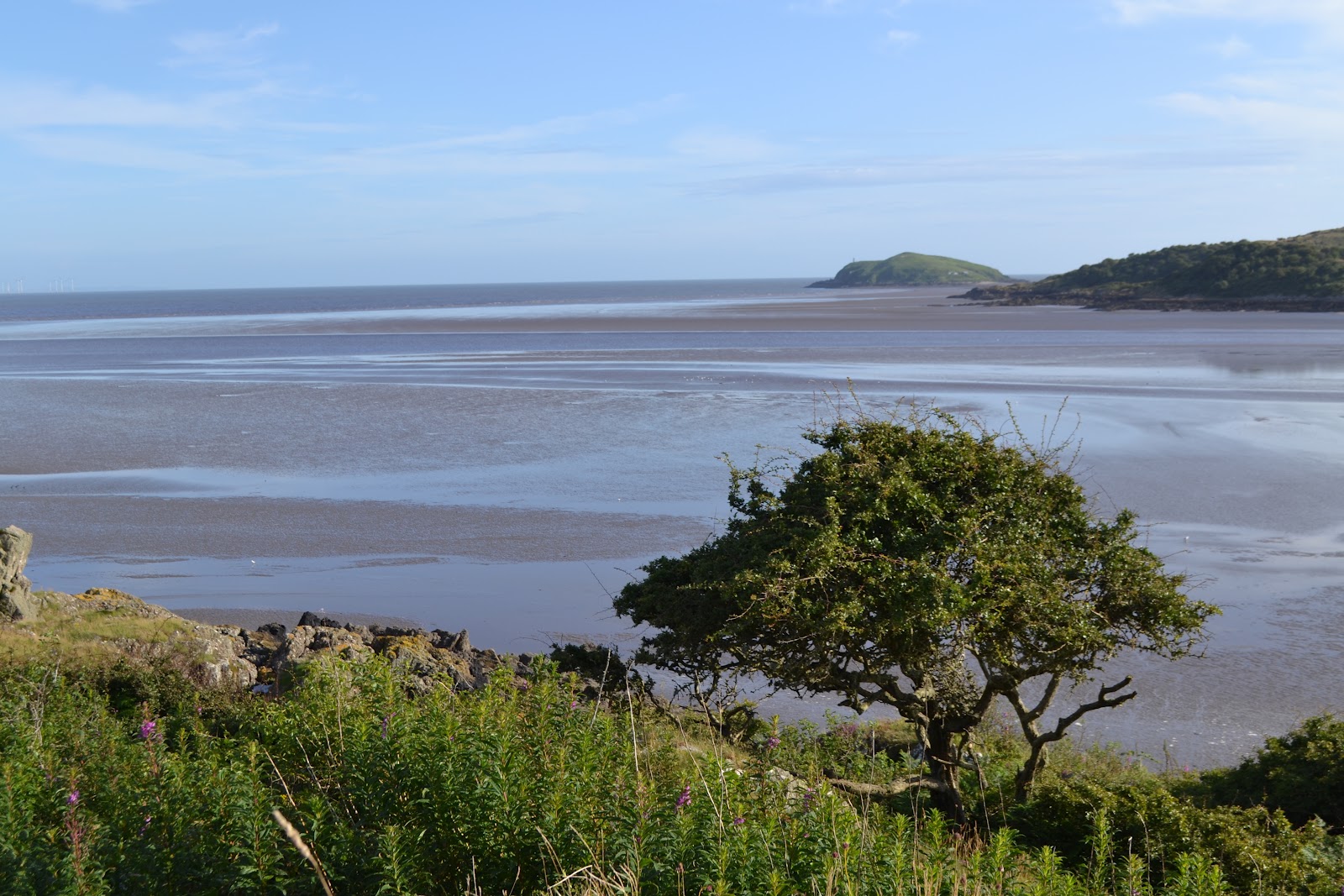
Looking towards Rough Island and Castle Point from Kippford
The National Trust for Scotland protect this acreage and care for the meadows. Their management of these i.e. cutting, raking and grazing. (You will see Highland Cattle grazing the meadow near the Mote of Mark in the Winter months ) over a period of time has resulted in a rich and diverse mix of wildflowers and grasses. In turn these meadows are the home to many mammals, birds and invertabrates. 

These photographs were taken on an evening walk out to Rough Island in early August. We always look forward to the end of the bird breeding season when it's OK to walk out there at low tide. (Always check the tides before setting off as they come in very swiftly)

(PLEASE NOTE:To prevent disturbance to courting,nesting and breeding birds please do not visit the island during May, June and July.)

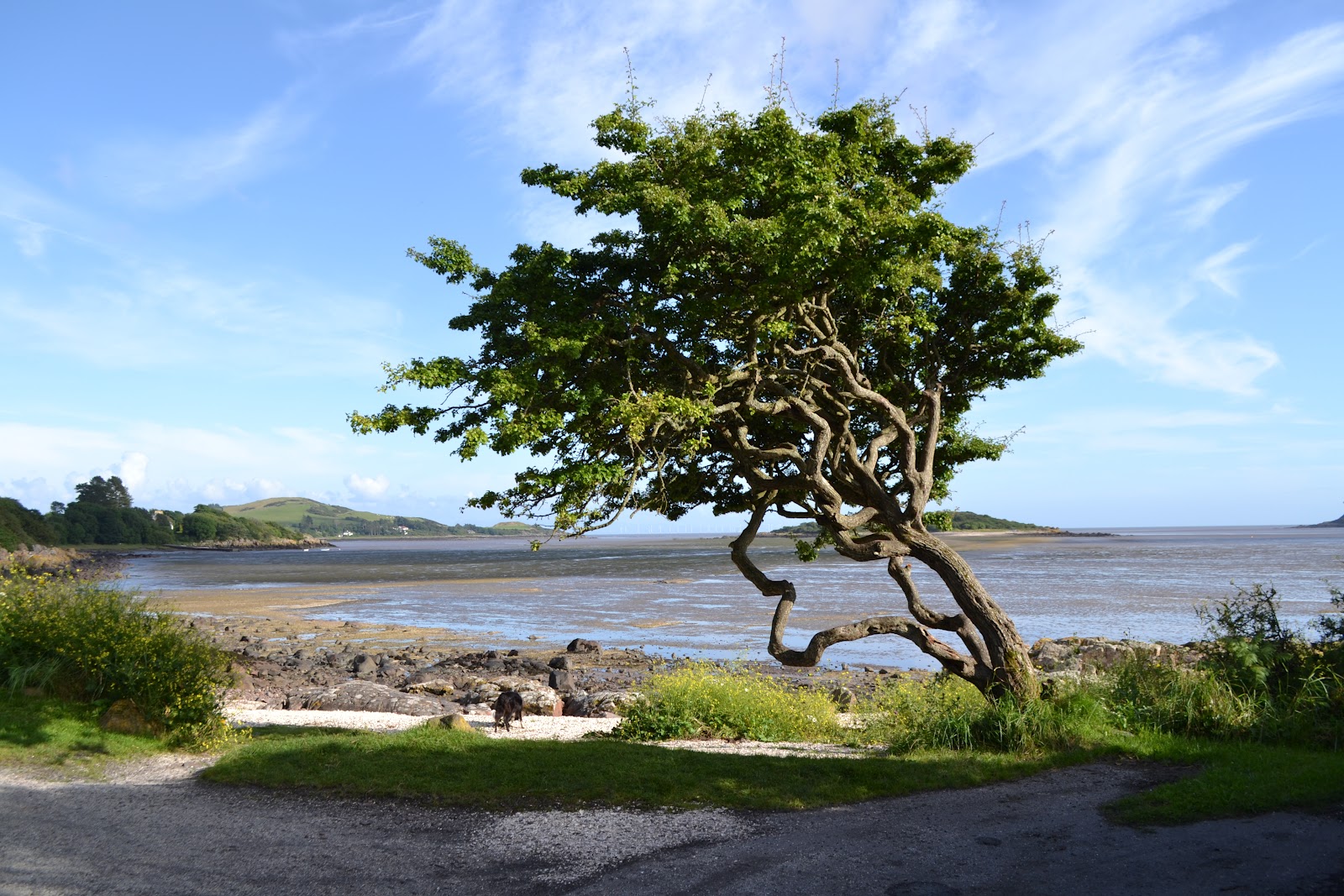
Shell Beach at Kippford
Although you can wade through the mud direct from Rockcliffe beach, there is a causeway across to the island which runs from the shell beach along from Rough Firth, Kippford. You can see the causeway in the photo below. I have been accused in the past of only photographing the area with the tide in. I think its just as beautiful with the tide out as it takes on a different beauty. It's this dynamic vista that makes the area so appealing. 
Causeway to Rough Island

A big feature of the Estuary is the intertidal mud flats created by sediment washed in from the sea. This mud is inhabited by a large number of invertabrates which adapt to live in this environment. Its these worms crabs and shellfish that provide a meal for ducks and waders.

Looking from Rough Island towards Rockcliffe
Once on the island, thanks to the diligence of the NTS, it is pleasant to stroll up the spine of the island to the stone cairn, a jumbled pile of rocks assembled, no doubt, by many generations. This is a lovely spot to sit and look out to Hestan Island, Castle Point and across to the Cumbrian Coast with the peaks of the Lake District behind. Hidden in the cairn is a (pre-Geocaching) time capsule, a battered biscuit tin full of pens, notes, tickets, business cards etc., that you can add your own messages to or leave small mementoes in. The children love it so if you discover it please make sure it is left intact and sealed for others to discover and enjoy.

From the cairn, Rough Island: the Urr Estuary towards Kippford with the Muckle to the Right
From the cairn, Rough Island; looking North West
From the cairn, Rough Island; Hestan Island


The Island is an important place for nesting waders due to its limited accessibility resulting in less disturbance for nesting birds. On the Island's beaches Oystercatchers and Ringed Plover scrape out shallow depressions in order to nest and can lay up to four eggs. In order to protect these birds, whose eggs are hard to spot amongst the pebbles and shingle, it is not permitted to visit the  the Island in May, June and July.

The National Trust for Scotland is a charitable organisation with its aim to promote, conserve and manage Scotlands natural and cultural heritage. You can find out more and can join at:


All photographs taken with my Nikon. Copyright L. Birdsall
Source: Mudflats to Meadows Rockcliffe Dumfries and Galloway produced by National Trust for Scotland